
Meijer.com
Meijer.com went from a brochure site to an e-commerce platform almost overnight. Everything downstream was figured out live.
Client/Company
Meijer
Year
2018-2021
Role
Senior Designer + Art Director, Digital & Social Team

THE GOALMarketing and Digital needed one shared vision of what the platform could do—and what the business had already committed to.
Get both teams working from the same picture of the platform
Put the project history where a vendor or new hire could find it
Make the authoring experience good enough that the customer-facing site doesn’t degrade
Make the parameters reachable and self-service
PROCESSMeijer was mid-transformation. Meijer.com went from static and non-transactional to the thinnest possible MVP, overnight, and kept shipping from there.
Digital and UX owned the platform. Marketing owned what the business needed the site to say and sell. Each side held half the picture: Marketing knew what had been committed to, Digital knew what could actually be built, and at that pace neither half travelled easily to the other.
A third-party vendor had been brought in to train. It covered the software in the abstract, not the way we'd configured it, and not for the campaigns Marketing had already sold.
The job nobody assigned, and the one I took, was translation.
PROBLEM
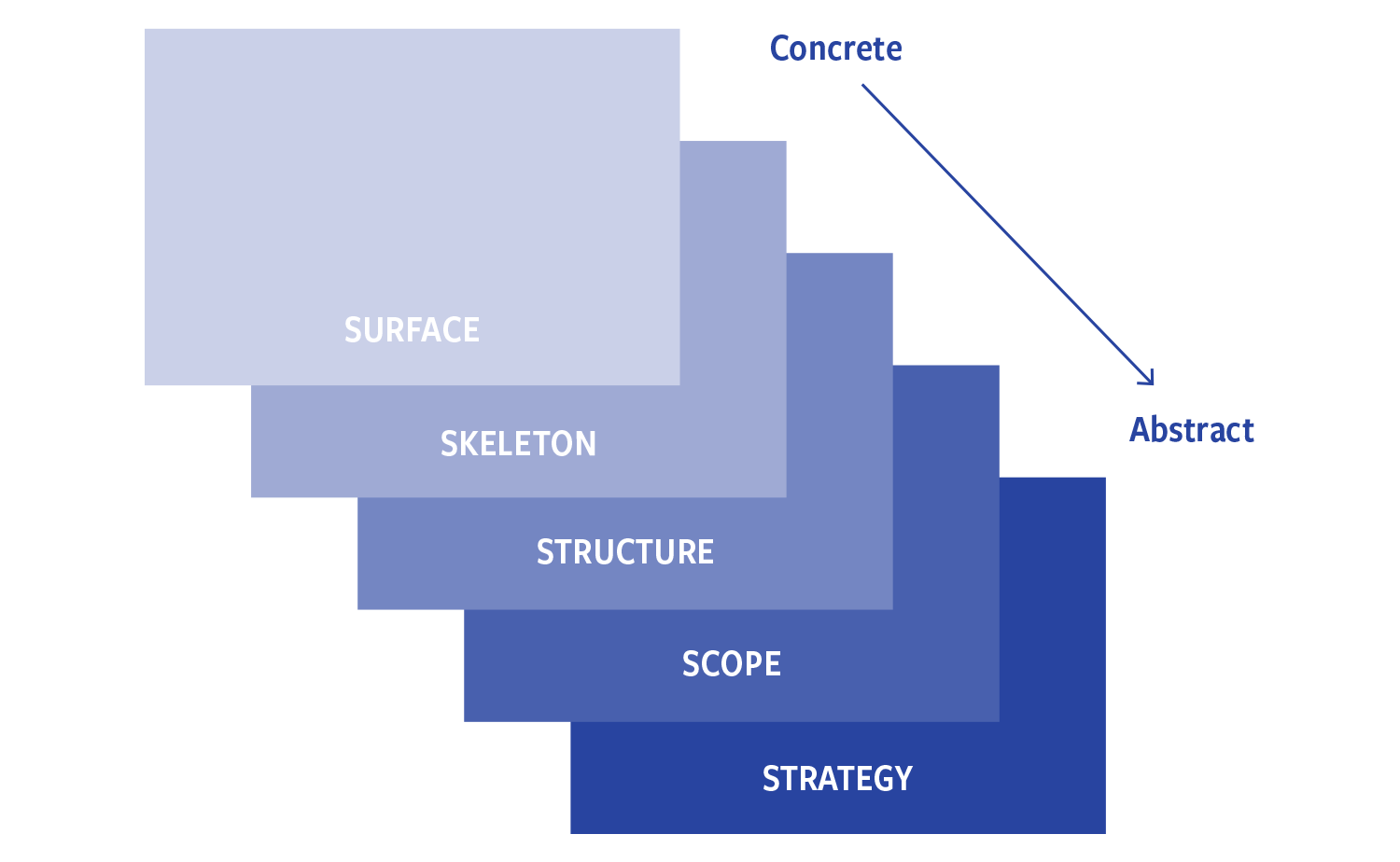
The research here wasn’t a study, it was ongoing. I learned the platform’s real constraints by being the point-of-contact for every change to the presentation layer and authoring experience within Adobe Experience Manager, and learned the business’s intent by sitting in the rooms where campaigns were committed.
I documented both as I went—what the system could do, and what had already been promised.
RESEARCH
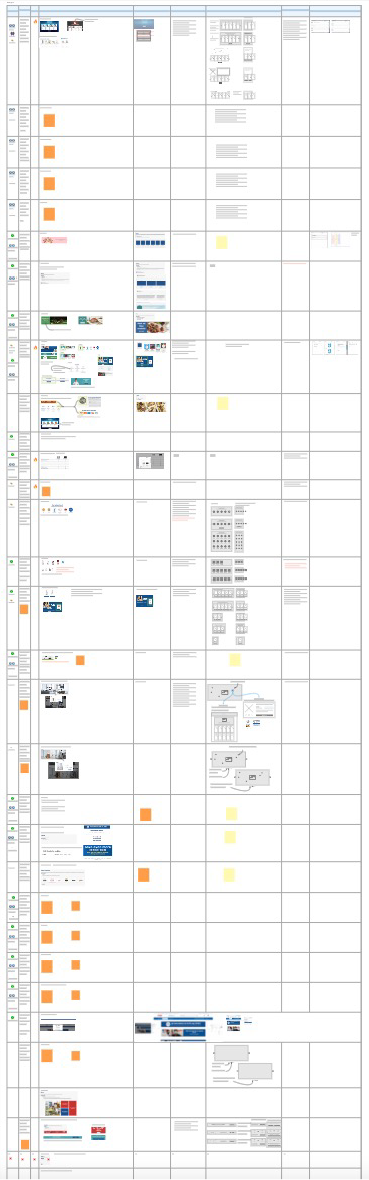
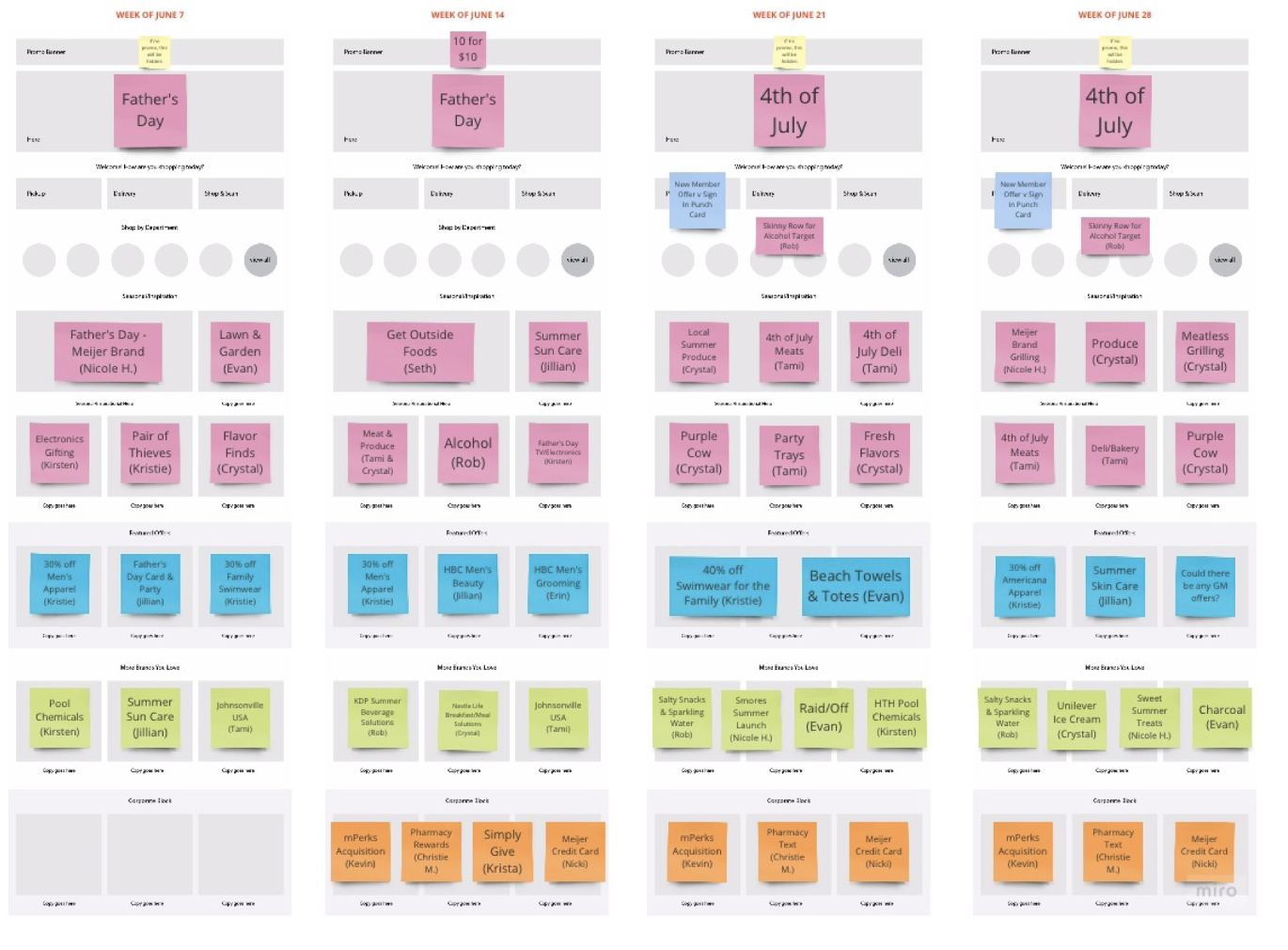
A pattern showed up quickly. Surprises tended to arrive late, and usually for the same reason—a decision had been made with only half the picture available.
The knowledge that would have prevented it already existed. It just lived in people's heads rather than anywhere a vendor, an agency partner or a new hire could reach.
The authoring interface told the same story. It’s what a content author stares at 4 PM on a Friday, trying to get a page out. When it’s confusing, they work around the component instead of with it, and the public site degrades.
EVIDENCE
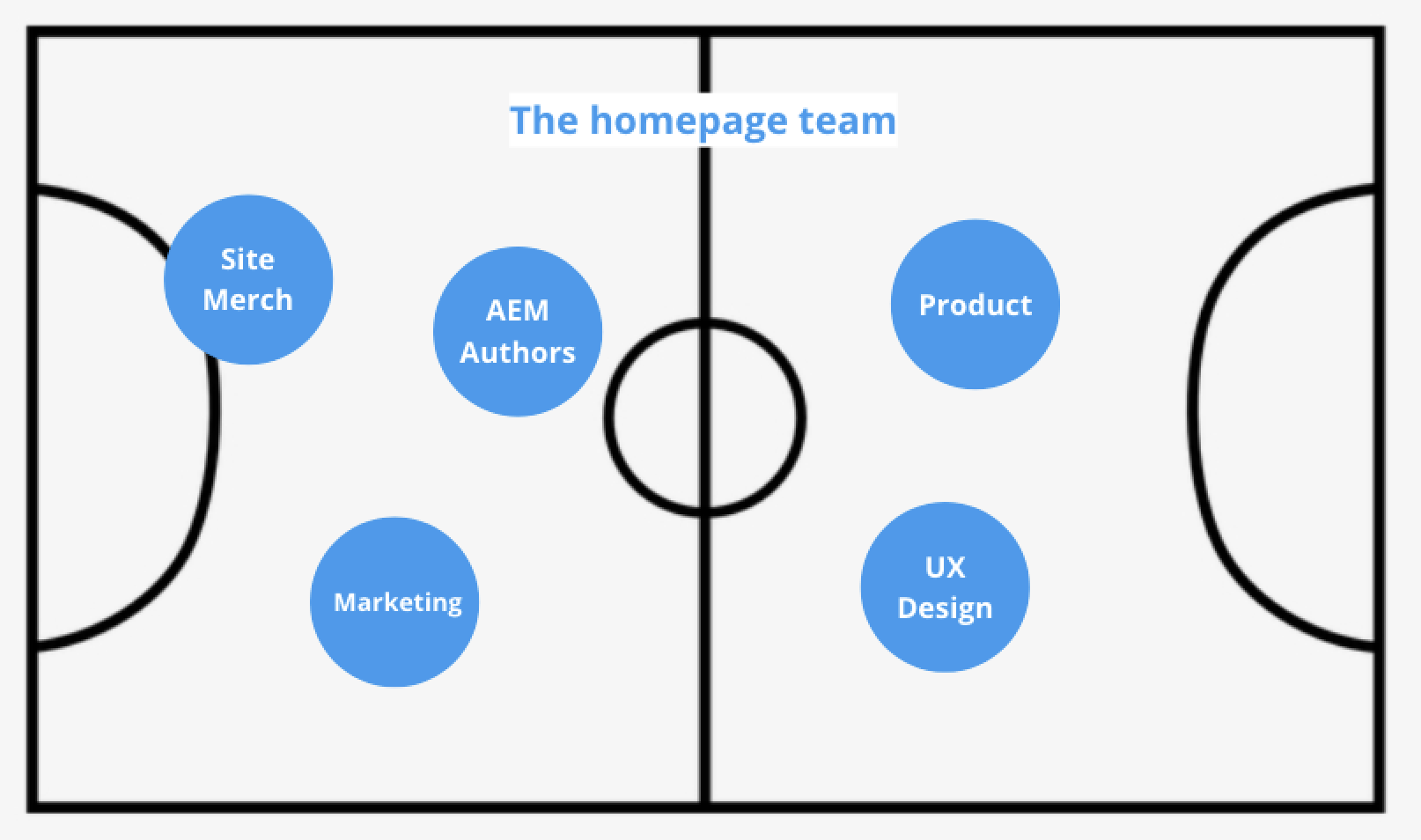
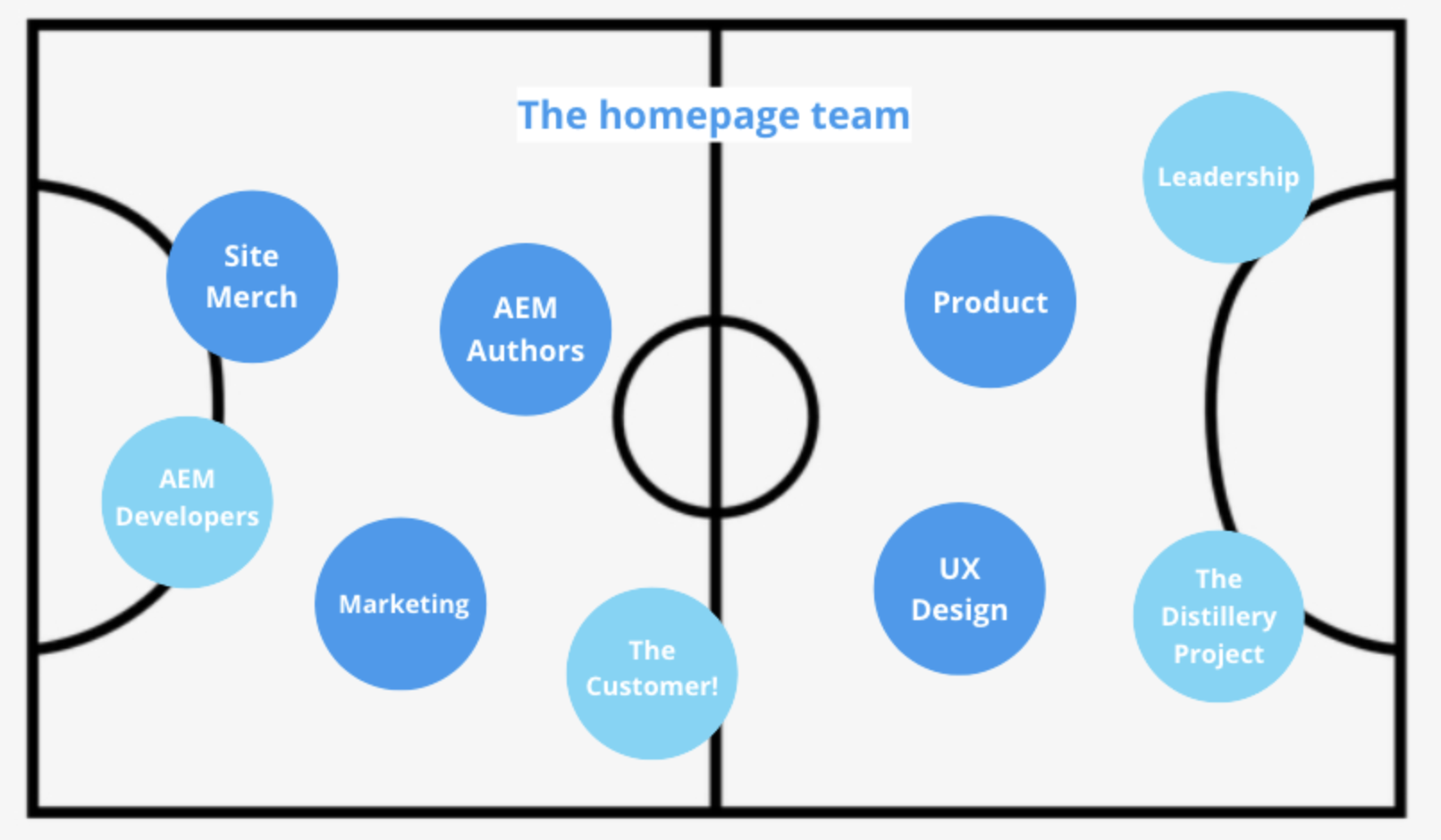
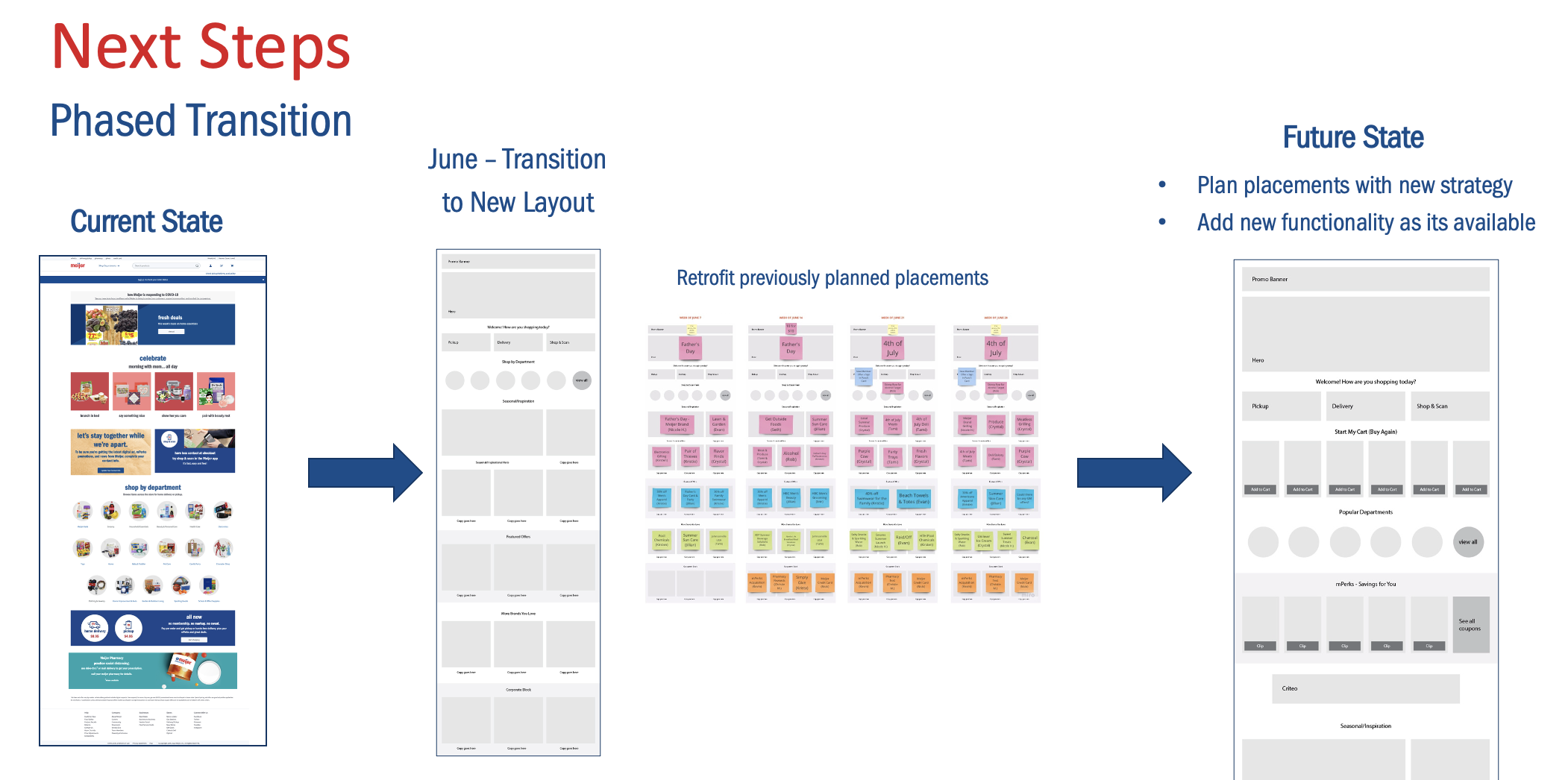
Write the playbook. Design decisions, component specs, rules and governance, documented for internal teams and third-party vendors to work from.
Own the AEM parameters. I handed the constraints to internal teams and creative vendors, so everyone had the constraints in hand before they started designing.
Design for the people running the site. I directed the brand layer out front while influencing the authoring interface behind it, cleaning up existing components and specifying refactors and net-new ones.
Train the people who would use it. I kept the design team and agency partners informed and trained new releases deployed and as the platform gained capabilities.
DECISION
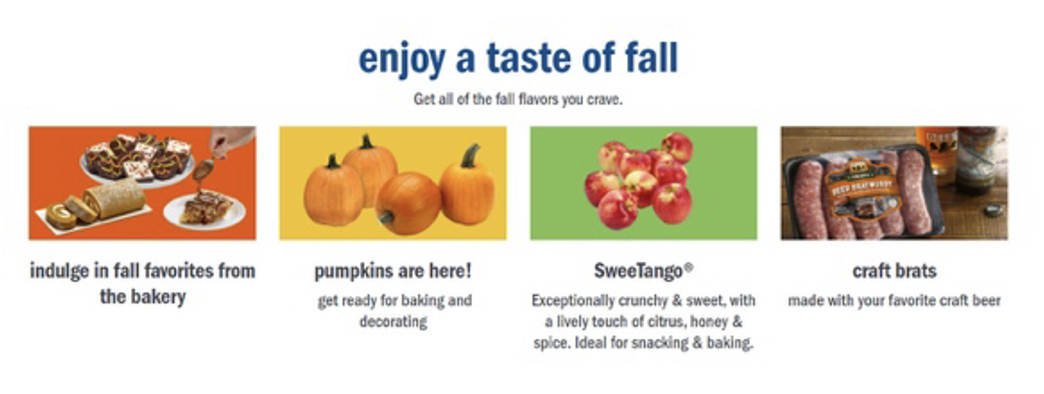
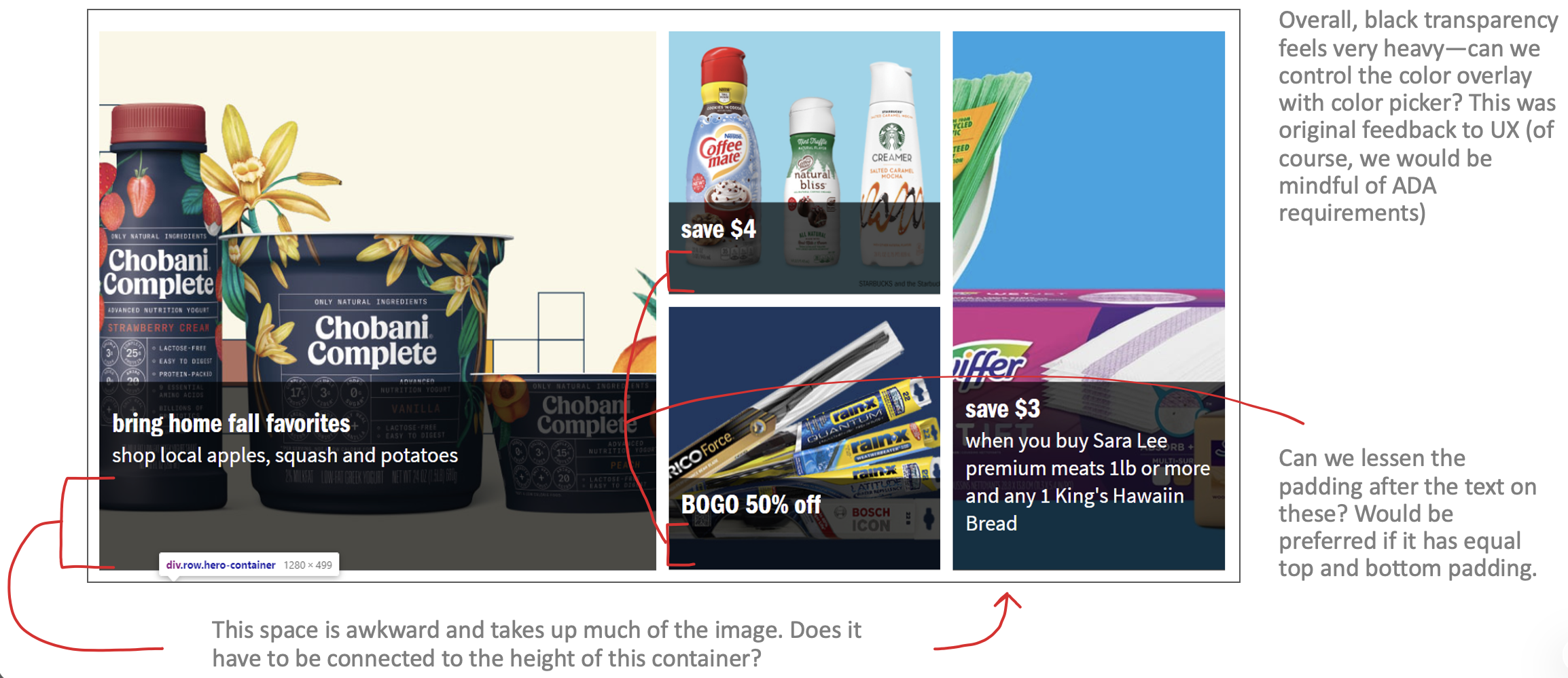
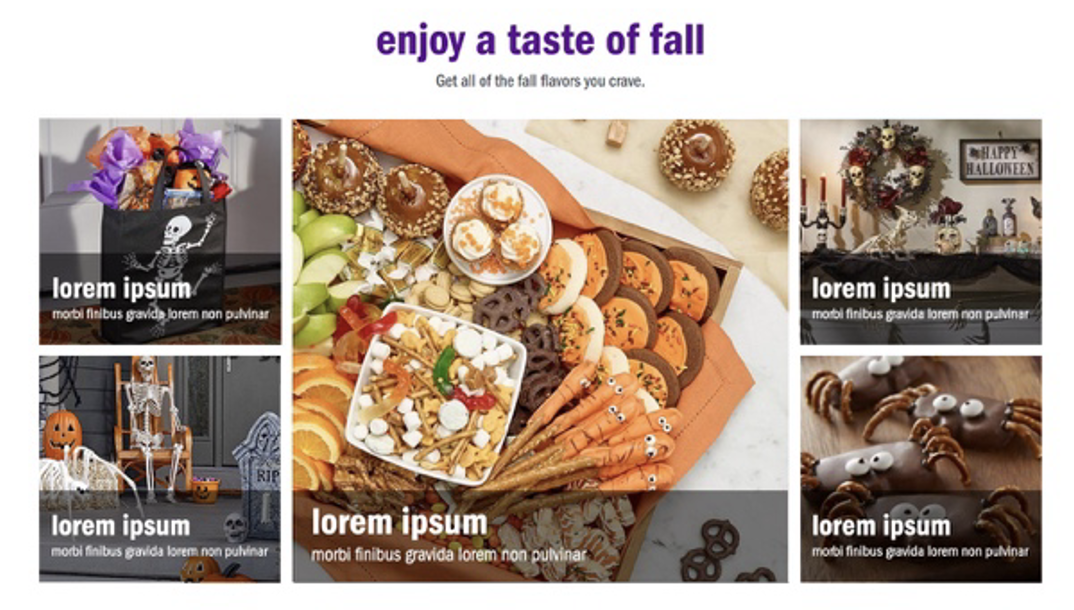
The design team and agency partners started working from the playbook and the training, which is the only real test of whether documentation worked.
Creative vendors got the AEM parameters up front, so expectations could be met and concepts could arrive prepared for what the ecosystem could support.
VALIDATION
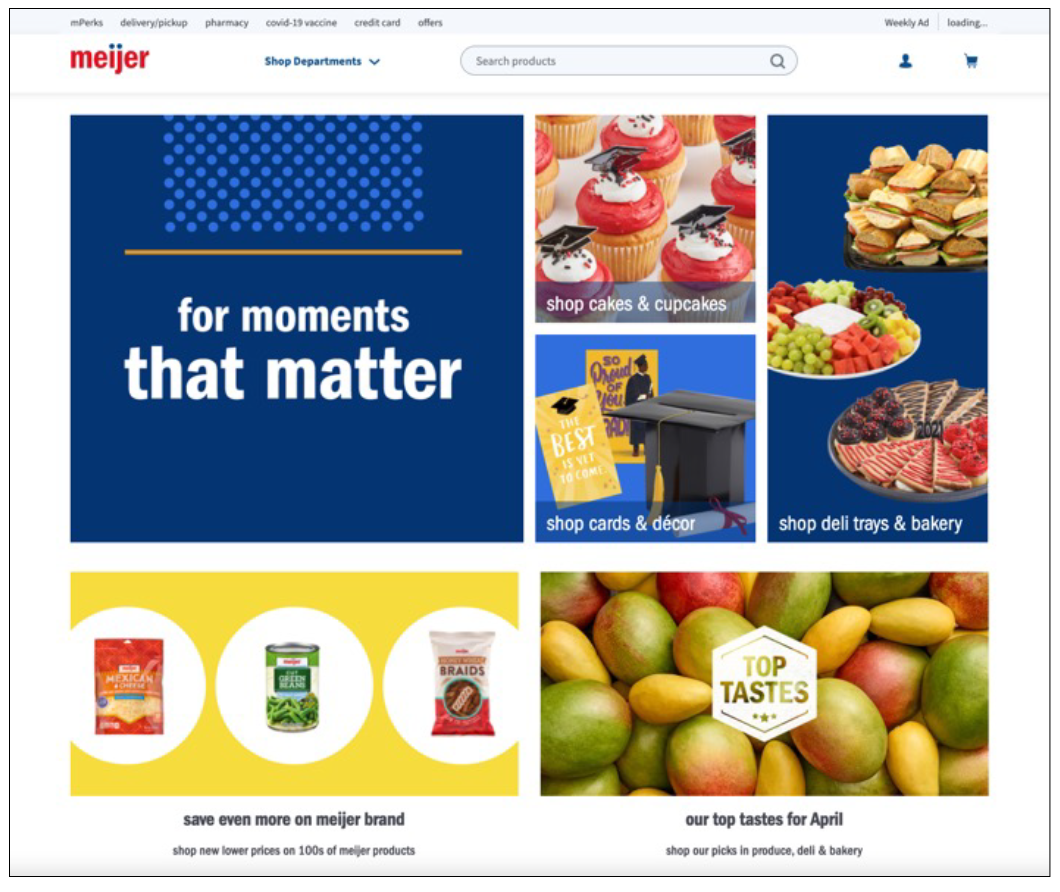
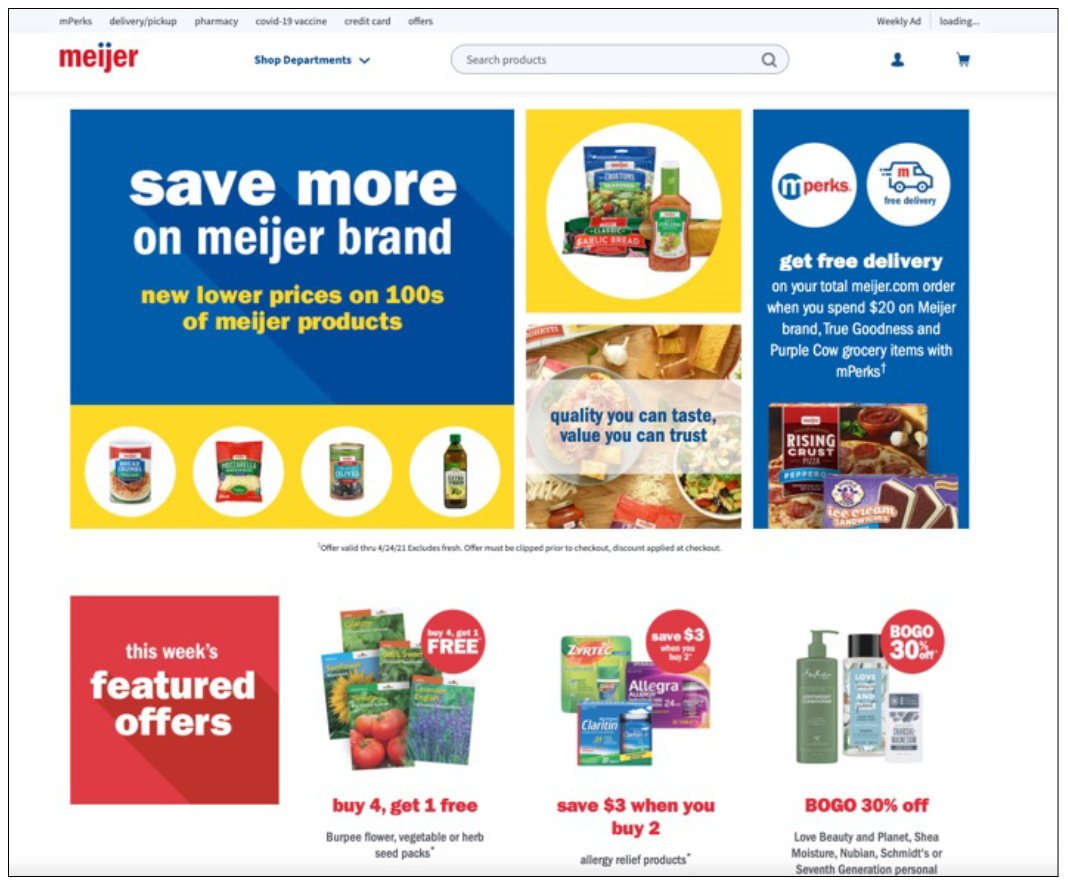
The middle stopped being a person and became infrastructure. Parameters, decisions and governance lived somewhere internal teams and third-party vendors could reach on their own.
Marketing could plan against what the platform actually did. Digital had the business’s commitments in view early enough to build for them. And the project history stopped depending on who happened to remember it.
OUTCOME
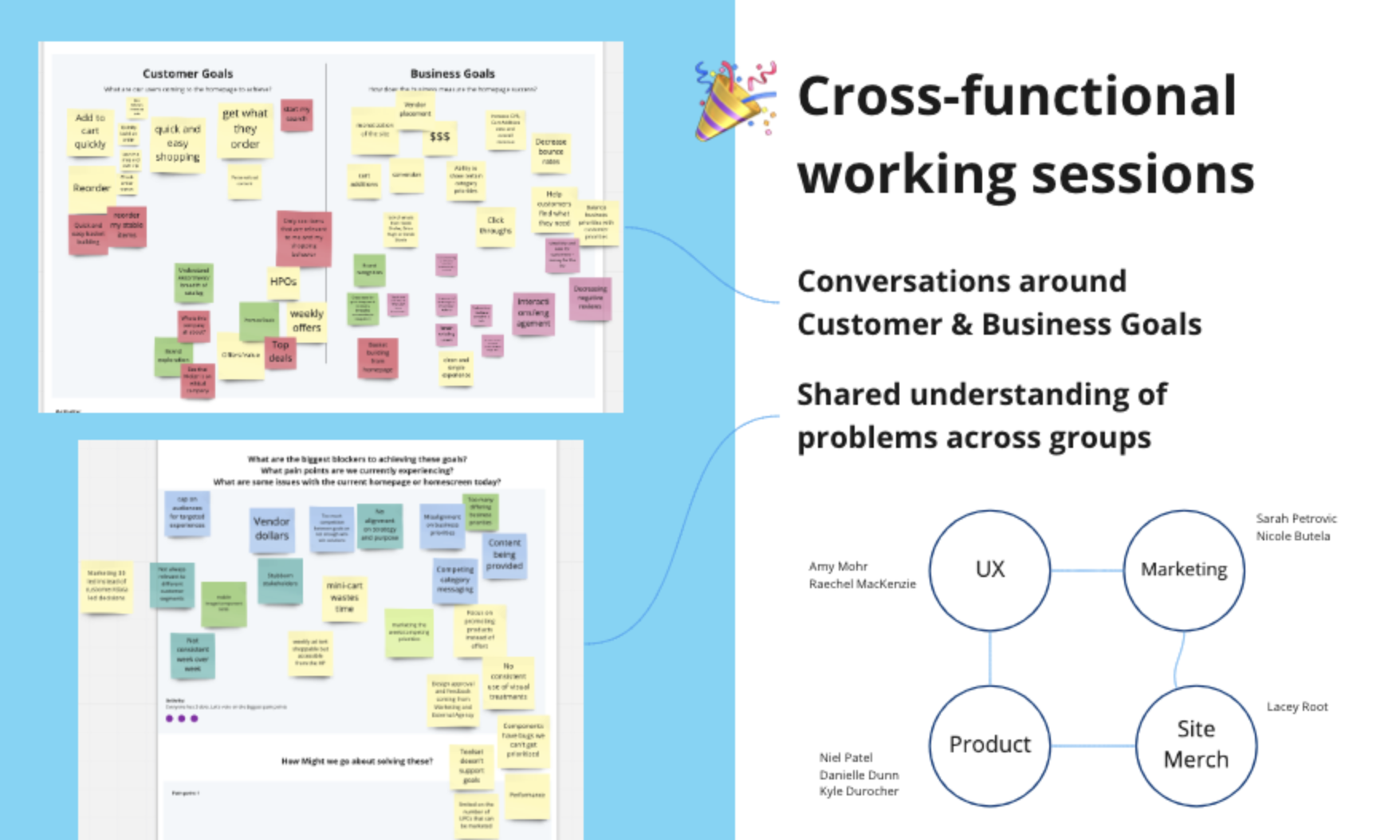
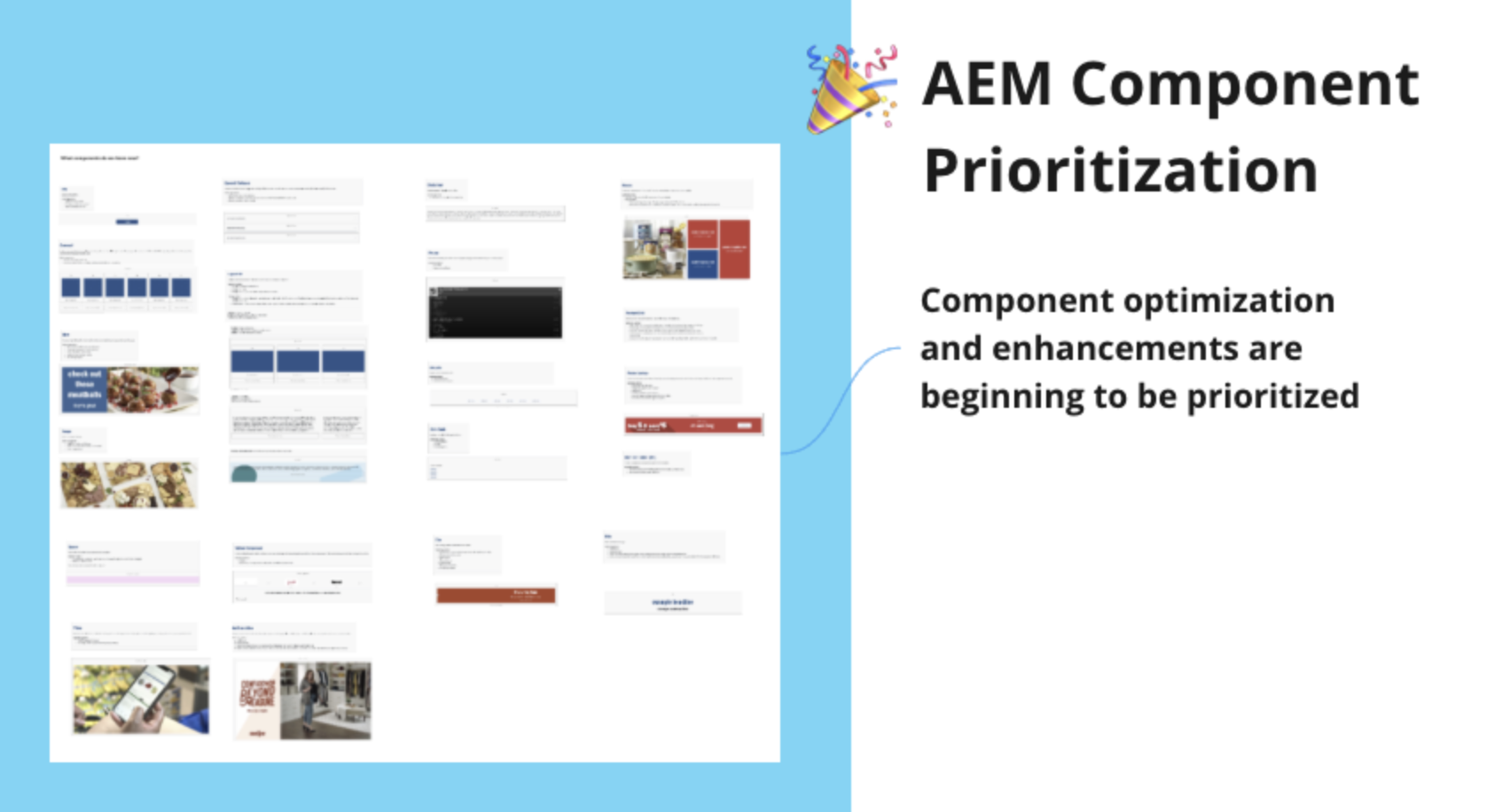
What I droveI wasn’t in a UX role. The work the transformation needed wasn’t a UX role either.
I was a senior designer and art director on the Digital & Social team. What the situation required was someone who understood both the business’s intent and the system’s limits, and write it down so the next person didn’t have to relearn it. That’s the work I did. It just didn’t have a title.
Alongside that, I did the job I was hired for: branding, design and art direction across email, homepage, landing pages, product pages and social. I turned marketing briefs into campaigns and built them as systems, so someone else could run them without me. That habit shows up in everything here: translate the thing, then make the translation reusable.
With the Content & Media Specialist, I built a personalized content strategy using Adobe Target to adjust for four customer mindsets—the bold adventurer, constant juggler, master planner, and simplicity seeker. I facilitated monthly homepage planning with the marketing specialists, because a strategy without a standing meeting quietly stops happening.
In 2019, Meijer’s overall Instagram presence received an Audience Honor at the National Shorty Awards. I was a designer and art director on that work.
It’s the same work I’ve been doing, under different titles and at bigger scale, for a children’s hospital and a federal program.
WHAT PEOPLE SAID“Nicole continues to go above and beyond on every assignment given, especially when it comes to organizing the big and unwieldy. She impresses me most on abstract and undefined projects with her methodical thinking, and how she breaks down the nebulous into practical and manageable actions. This is a great gift.”
Sara Osborn, Digital Design Manager